Best Time to Visit Tanzania for a Safari: A Month-by-Month Guide
Discover the best time to visit Tanzania with our month-by-month safari guide. Explore Great Migration seasons, wildlife highlights, national parks and the perfect months for your African adventure.
By Team Africansavannas ·
Quick answer
The best time to visit Tanzania for a safari is June to October, when dry-season conditions offer excellent wildlife viewing. January to March is ideal for wildebeest calving in the southern Serengeti, while November to May brings lush green landscapes, colourful birdlife and beautiful opportunities for wildlife photography.
The best time to visit tanzania for a safari is generally June to October, when dry-season conditions make wildlife viewing especially rewarding. January to March is ideal for experiencing the wildebeest calving season in the southern Serengeti, while November and December bring beautiful green landscapes and excellent birdwatching opportunities.
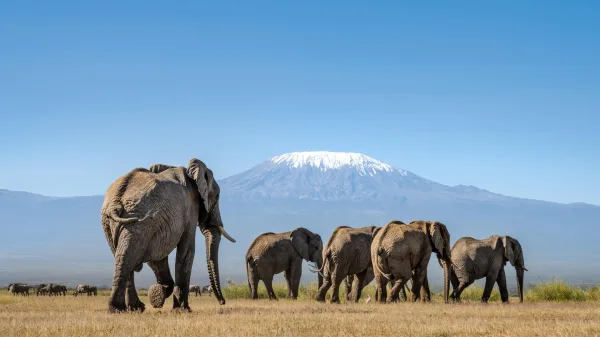
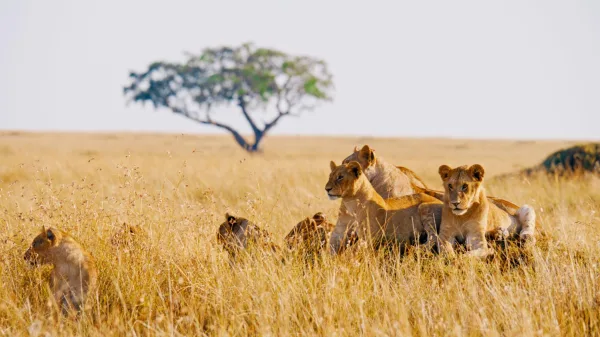
Imagine golden grasslands stretching towards the horizon, elephants gathering beside a river and the excitement of spotting a lion resting beneath an acacia tree.
Tanzania offers these remarkable experiences throughout the year. Every season reveals a different side of its wilderness.
Whether you dream of witnessing the Great Migration, photographing newborn wildlife or enjoying a private safari in tanzania, this month-by-month guide will help you choose your perfect travel season.
When Is the Best Time to Visit Tanzania for a Safari?
|
Travel Period |
Best Safari Experience |
|---|---|
|
January–March |
Wildebeest calving, predator activity and photography |
|
April–May |
Lush green landscapes, birdwatching and peaceful safaris |
|
June–October |
Classic dry-season wildlife viewing and seasonal migration |
|
November–December |
Fresh green scenery, migratory birds and scenic game drives |
June to October is the most popular overall safari season, while January to March is particularly rewarding for travellers who want to experience the Serengeti's remarkable cycle of new life. Tanzania National Parks recognises both the dry season and the calving period as important wildlife-viewing windows.
Understanding Tanzania's Safari Seasons
Tanzania's national parks and wildlife reserves offer different experiences as the seasons change.
The country generally has a main dry season from June to October, short rains around November and December, and longer rains from approximately March to May.
Dry Season: June to October
The dry season is a favourite among wildlife enthusiasts.
As grass becomes shorter and animals gather near rivers and water sources, visitors can enjoy excellent game-viewing opportunities.
The Serengeti, Tarangire and other major safari destinations are particularly popular during these months.
Cool mornings, warm afternoons and golden landscapes create beautiful conditions for photography.
Green Season: November to May
The green season transforms Tanzania into a landscape of fresh grass, flowering plants and vibrant colours.
It is especially appealing for birdwatching, landscape photography and travellers who enjoy a peaceful wilderness atmosphere.
January and February also bring one of the Serengeti's most remarkable natural events: the wildebeest calving season.
Best Time to Visit Tanzania: Month-by-Month Safari Guide
January – A Beautiful Beginning to the Safari Year
January is a wonderful time to explore the southern Serengeti and Ndutu region.
Fresh grass attracts large wildebeest and zebra herds, creating excellent opportunities for wildlife photography.
Predators such as lions, cheetahs and hyenas are also active across the plains.
Best for: Migrating herds, green landscapes and wildlife photography.
February – Experience the Magic of Calving Season
February is one of the most exciting months for nature lovers.
Across the southern Serengeti and Ndutu plains, thousands of wildebeest calves are born during the annual calving period.
Watching newborn animals take their first steps while herds gather across the grasslands creates an extraordinary safari experience.
Best for: Wildebeest calving, big-cat activity and wildlife documentaries.
March – Green Plains and Growing Wildlife Families
March brings beautiful scenery to the Serengeti.
Young wildebeest begin exploring alongside their mothers, and the lush grasslands attract grazing animals.
This is a rewarding period for travellers interested in animal behaviour and vibrant landscapes.
Best for: Young wildlife, landscape photography and quieter safari experiences.
April – Discover Tanzania's Green Wilderness
April is part of the long-rains season, when Tanzania's landscapes become beautifully green.
Fresh vegetation, dramatic skies and peaceful park surroundings create wonderful opportunities for photography.
Travellers can enjoy seasonal birdlife and explore safari areas selected for suitable access and accommodation.
Best for: Green scenery, birdwatching and nature photography.
May – The Great Migration Moves Westward
During May, migrating herds often move towards the central and western Serengeti as they follow seasonal grazing.
The landscape is rich with vegetation, and the movement of wildebeest and zebras creates beautiful wildlife scenes.
Exploring with an experienced guide helps travellers discover the changing patterns of life across the plains.
Best for: Migration movements, green landscapes and wildlife photography.
June – The Classic Safari Season Begins
June marks the beginning of Tanzania's main dry-season safari period.
Wildlife viewing becomes especially rewarding as animals gather around important water sources.
In Tarangire National Park, elephants and other wildlife begin concentrating around the river and wetlands.
The Serengeti also offers exciting migration experiences as herds move through its western and central regions.
Best for: Elephant safaris, general wildlife viewing and migration movements.
July – Follow the Great Migration
July is one of Tanzania's most celebrated safari months.
Migrating wildebeest and zebras move towards the northern Serengeti, with opportunities to observe dramatic gatherings near the Mara River.
The dry-season landscapes also offer beautiful wildlife-viewing conditions in Tarangire and Ngorongoro.
Best for: Northern Serengeti migration safaris, river-crossing opportunities and Big Five experiences.
August – Witness the Drama of the Wild
August is a particularly exciting month for wildlife enthusiasts and photographers.
Large migrating herds may gather around the Mara River, creating opportunities to witness one of Africa's most extraordinary natural spectacles.
Across the northern Serengeti, every game drive brings a fresh opportunity to experience the incredible scale of the migration.
Best for: Great Migration experiences, river-crossing opportunities and wildlife photography.
September – Elephants and Golden Savannahs
September offers wonderful dry-season conditions across Tanzania's northern safari circuit.
Tarangire is particularly rewarding as elephant herds and other animals gather around reliable water sources.
In the northern Serengeti, migrating herds may continue moving through the region.
Best for: Elephant viewing, predator encounters and classic African safari landscapes.
October – Golden Light and Remarkable Wildlife
October brings beautiful golden landscapes and rewarding game drives.
The Serengeti and Tarangire remain appealing destinations for wildlife enthusiasts.
Migrating herds begin responding to seasonal changes as they continue their journey through the greater ecosystem.
Best for: General wildlife viewing, elephant safaris and golden-hour photography.
November – The Savannah Turns Green Again
November often brings the short rains, refreshing Tanzania's grasslands and woodlands.
Fresh vegetation creates beautiful landscapes, while migratory birds add colour and activity to the parks.
Travellers can experience a distinctive side of Tanzania as the wilderness begins another seasonal transformation.
Best for: Birdwatching, green landscapes and scenic wildlife safaris.
December – A Wonderful Season for Wildlife Discovery
December brings fresh grasslands, warm scenery and rewarding wildlife encounters.
Migrating herds often move towards the southern and eastern Serengeti, preparing for the upcoming calving season.
It is a lovely time to enjoy beautiful landscapes, wildlife photography and a memorable end-of-year safari.
Best for: Green-season photography, birdwatching and migrating herds.
The migration calendar reflects typical seasonal patterns. Tanzania National Parks describes the herds' movement as a continuous annual cycle influenced by rainfall and grazing conditions.
When Is the Great Migration in Tanzania?
The Great Migration is one of Africa's most extraordinary wildlife events.
Every year, vast herds of wildebeest, zebras and other grazing animals move through the Serengeti–Mara ecosystem in search of fresh grass and water.
The migration follows a continuous natural cycle, with different regions offering memorable experiences throughout the year.
|
Months |
Typical Migration Location |
Wildlife Highlight |
|---|---|---|
|
January–March |
Southern Serengeti and Ndutu |
Calving season and predator activity |
|
April–May |
Central and western Serengeti |
Herd movements across green plains |
|
June–July |
Western and northern Serengeti |
Large migrating herds and seasonal river crossings |
|
August–October |
Northern Serengeti and Mara ecosystem |
Mara River crossing opportunities |
|
November–December |
Eastern and southern Serengeti |
Herds returning towards southern grazing areas |
The Tanzania National Parks Authority provides information about this annual wildlife movement and the importance of the Serengeti ecosystem.
Best Time to See the Great Migration River Crossings
July to October is generally the most popular period for travellers interested in the Mara River crossings in northern Serengeti.
The sight of vast herds gathering along the riverbanks is one of the most unforgettable wildlife spectacles in Africa.
For a more immersive experience, consider spending three or four nights in the northern Serengeti during the migration season. This gives you time to explore the region and enjoy several game drives.
Best Time to See Wildebeest Calving
Late January to February is particularly rewarding for witnessing wildebeest calving in the southern Serengeti and Ndutu region.
During this period, large herds gather on nutrient-rich grasslands, and countless newborn calves begin their lives in the African wilderness.
This remarkable annual event also attracts predators, creating exciting opportunities for observing natural wildlife behaviour.
Which Tanzania Safari Destinations Are Best in Each Season?
Choosing the right destination is just as important as selecting your travel month.
Tanzania's national parks have different landscapes and wildlife experiences, allowing travellers to discover something special in every season.
Serengeti National Park – Best for Migration and Big Cats
Serengeti National Park is famous for its open grasslands, lions, leopards, cheetahs and seasonal wildebeest migration.
June to October is popular for dry-season game drives, while January to March is especially exciting in the southern plains.
Wildlife enthusiasts can enjoy rewarding experiences throughout the year by choosing the region that best matches their interests.
Ngorongoro Crater – Best for Big Five Wildlife Experiences
The Ngorongoro Crater is one of Tanzania's most remarkable wildlife destinations.
Its vast volcanic caldera supports lions, elephants, buffaloes, zebras and black rhinos.
The crater offers memorable game drives throughout the year. June to October brings popular dry-season conditions, while the greener months offer beautiful landscapes and wonderful photography opportunities.
Tarangire National Park – Best for Elephant Safaris
Tarangire National Park is especially famous for its elephant herds and magnificent baobab trees.
June to October is an excellent time to visit as animals gather around the Tarangire River and other important water sources.
The park's diverse habitats also provide excellent opportunities for birdwatching and observing giraffes, zebras and buffaloes.
Nyerere and Ruaha – Best for Southern Tanzania Safaris
For travellers seeking expansive landscapes and a different safari atmosphere, southern Tanzania offers wonderful possibilities.
Nyerere National Park is known for the Rufiji River, varied habitats and opportunities for boat-based wildlife experiences.
Ruaha National Park offers dramatic landscapes, elephants, predators and rich birdlife.
June to October is particularly rewarding for wildlife viewing around rivers and water sources.
Why Choose a Private Safari in Tanzania?
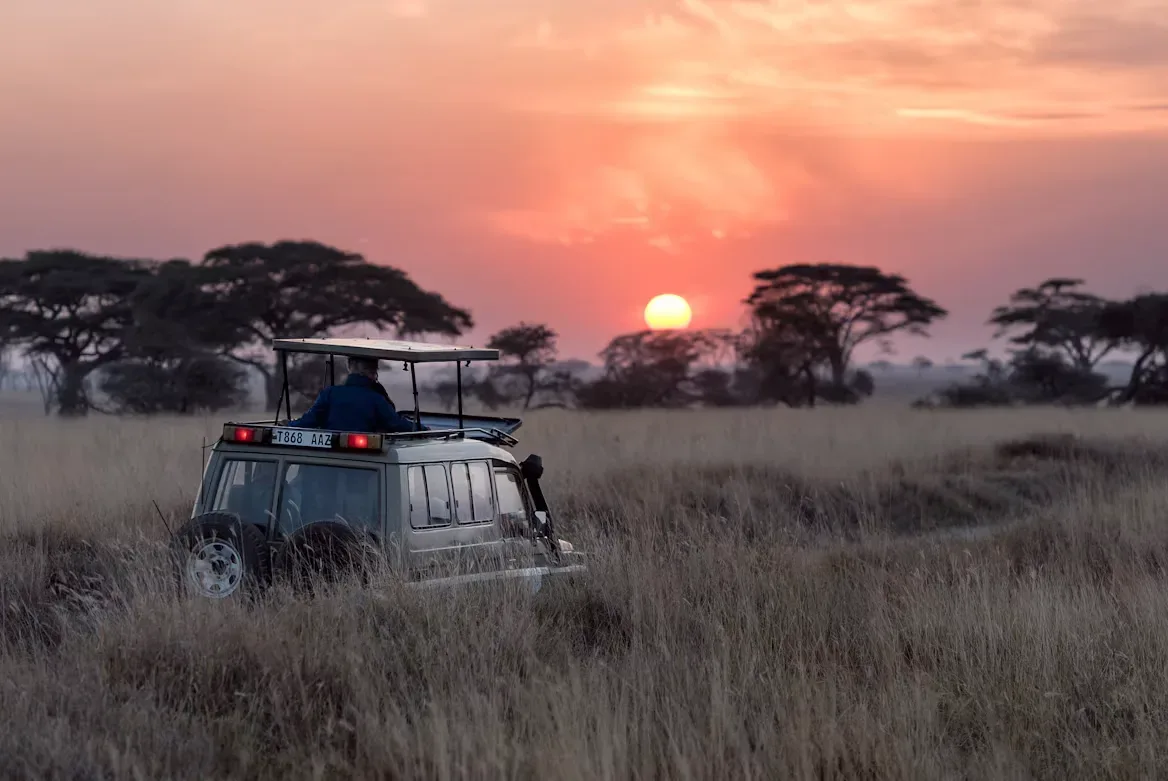
A private safari in tanzania is a wonderful way to explore the country's wildlife destinations at a pace that suits your travel style.
Imagine spending a little longer photographing a giraffe, watching elephants gathering beside a river or simply enjoying the peaceful beauty of the African plains.
A private safari gives travellers greater flexibility when planning the route, accommodation and preferred wildlife experiences.
It is especially suitable for couples, families, honeymooners and photography enthusiasts.
Benefits of a Private Tanzania Safari
-
Personalised itinerary: Choose destinations and travel dates that match your wildlife interests.
-
Dedicated safari vehicle: Enjoy game drives with your own travelling group and guide.
-
Flexible experiences: Spend more time exploring the landscapes and wildlife habitats that interest you.
-
Accommodation choices: Select suitable safari lodges or tented camps according to your preferred comfort level.
-
Photography opportunities: Enjoy the flexibility to appreciate memorable wildlife moments.
African Savannas offers personalised safari planning, helping travellers explore the Serengeti, Ngorongoro, Tarangire and other beautiful destinations.
How to Choose the Best Safari Month for Your Travel Style
The best time to visit tanzania becomes easier to decide when you know the experience you want most.
|
Your Travel Interest |
Recommended Travel Period |
|---|---|
|
Great Migration river crossings |
July–October |
|
Wildebeest calving |
Late January–February |
|
Big Five wildlife viewing |
June–October |
|
Elephant safaris in Tarangire |
July–October |
|
Green landscape photography |
November–May |
|
Birdwatching |
November–April |
|
Safari and Zanzibar beach holiday |
June–October or December–February |
|
Quieter safari atmosphere |
Selected green-season months |
For first-time visitors, a combination of Serengeti National Park, Ngorongoro Crater and Tarangire National Park provides an excellent introduction to Tanzania.
Travellers planning a longer holiday can also include Zanzibar for a beautiful combination of wildlife adventures and Indian Ocean relaxation.
How Far in Advance Should You Book a Tanzania Safari?
Planning your Tanzania safari early allows you to explore a wider selection of travel dates, accommodation and wildlife experiences.
For the popular June to October season, beginning your arrangements around six to nine months ahead is a useful planning target.
Travellers interested in the wildebeest calving season can also plan several months in advance, especially when choosing accommodation around Ndutu.
When comparing Tanzania safari packages, consider the following:
-
Destinations and wildlife experiences covered.
-
Total safari duration and time spent in each park.
-
Private or shared safari vehicle arrangements.
-
Accommodation location and meal plans.
-
Park fees, transfers and guide services.
-
Optional experiences such as balloon safaris.
-
Personalised itinerary and booking support.
The right itinerary balances wildlife experiences, beautiful landscapes and time to enjoy each destination.
Plan Your Tanzania Safari With African Savannas
There is something truly special about watching the African wilderness come alive.
It could be the sight of newborn wildebeest taking their first steps, an elephant family gathering beside the Tarangire River or the golden sunlight spreading across the Serengeti plains.
Each season offers its own beautiful story.
Knowing the best time to visit tanzania helps you choose the moments and destinations that matter most to you.
Whether you dream of the Great Migration, a relaxing bush-and-beach holiday or a personalised wildlife adventure, African Savannas can help you explore the options and create a journey shaped around your interests.
Ready to experience Tanzania's wild beauty? Plan your Tanzania safari with African Savannas and share your preferred travel dates and wildlife experiences.
Your African adventure begins with the moments you dream of experiencing.
Frequently asked questions
What is the best month for a Tanzania safari?
July to October is a popular period for dry-season wildlife viewing and Great Migration experiences. February is especially rewarding for wildebeest calving in the southern Serengeti. The ideal month depends on the animals, destinations and landscapes you want to experience.
Is November a good time to visit Tanzania?
Yes. November brings fresh green landscapes, excellent birdwatching opportunities and a peaceful safari atmosphere. It is a beautiful season for travellers who enjoy nature photography and the changing colours of the African wilderness.
Which month is best for the Great Migration in Tanzania?
July to October is generally recommended for travellers interested in river-crossing opportunities in the northern Serengeti. January and February are excellent for observing calving in the southern Serengeti and Ndutu region.
Is Tanzania good for a safari throughout the year?
Yes. Tanzania offers rewarding wildlife experiences throughout the year. The dry season is popular for classic game drives, while the greener months offer beautiful scenery, birdwatching and opportunities to observe seasonal wildlife behaviour.
Can I book a private safari in Tanzania?
Yes. A private safari in tanzania can be planned around your preferred destinations, travel dates and accommodation style. African Savannas offers personalised safari planning, including journeys through the Serengeti, Ngorongoro, Tarangire and other Tanzanian destinations.
Let’s turn inspiration
into your next adventure.
Tell us what you love. We’ll help shape a safari around your pace.
Start Planning