Kenya Wildlife Safari: Complete Guide for First-Time Visitors
Plan your first Kenya wildlife safari with this complete guide to Masai Mara, Amboseli, wildlife, best travel seasons, safari costs, accommodation and Kenya safari packages.
By Team Africansavannas ·
Quick answer
A Kenya wildlife safari is ideal for first-time visitors seeking unforgettable wildlife experiences. Plan a 5–7-day trip covering destinations like Masai Mara, Amboseli and Lake Nakuru. June to October is popular for wildlife viewing. Compare Kenya safari packages, accommodation, park fees and transport options to choose a safari that suits your budget.
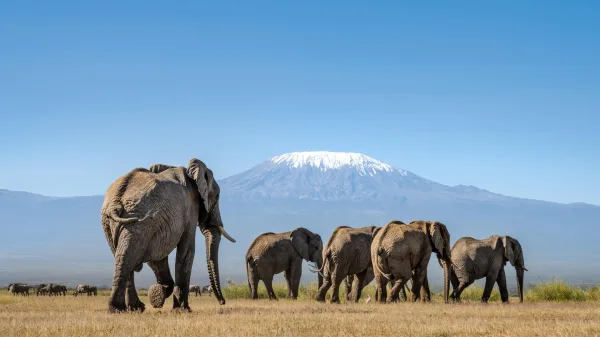
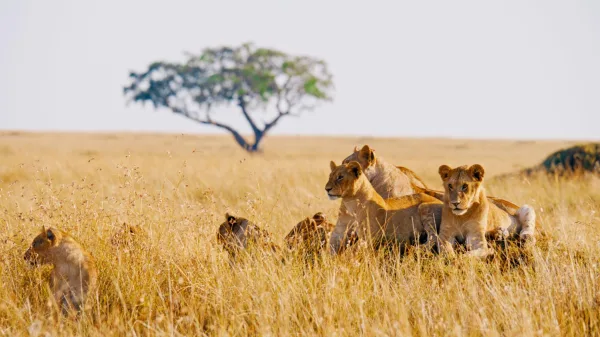
A Kenya wildlife safari is one of the most exciting ways to experience Africa's natural beauty. From lions resting in the grasslands of the Masai Mara to elephants walking beneath Mount Kilimanjaro, Kenya offers remarkable wildlife experiences for first-time visitors.
For your first safari, plan around 5–8 days, choose two or three wildlife destinations, and travel with a knowledgeable safari guide. The Masai Mara, Amboseli National Park and Lake Nakuru are excellent starting points.
This guide explains when to visit Kenya, where to go, what wildlife to expect, how much to budget and how to plan a safe, enjoyable safari.
What Should You Know Before Your First Kenya Safari?
A Kenya wildlife safari usually involves guided game drives through national parks, reserves and wildlife conservancies. Visitors travel in safari vehicles to observe animals in their natural habitats.
Here are the essentials:
-
Best destinations: Masai Mara, Amboseli, Lake Nakuru and Samburu.
-
Best travel months: January–February and June–October are generally favourable for wildlife viewing.
-
Recommended duration: 5–8 days for a first visit.
-
Wildlife: Lions, elephants, giraffes, zebras, buffaloes, leopards, cheetahs and rhinos, depending on the destination.
-
Accommodation: Safari lodges, tented camps and other options ranging from simple to luxurious.
-
Safari transport: Guided road safaris or fly-in safaris.
-
Booking tip: Compare itineraries, park fees, accommodation and inclusions before paying.
Wildlife sightings depend on nature, weather and animal movements. No responsible safari operator can guarantee particular sightings.
Why Is Kenya One of Africa's Best Safari Destinations?
Kenya offers several different wildlife habitats within one country. Travellers can explore open savannas, lakes, wetlands, forests and semi-arid landscapes.
The Masai Mara is famous for its big cats and seasonal wildebeest migration. Amboseli is known for its elephant herds and Kilimanjaro views. Lake Nakuru is an important habitat for black and white rhinos.
Kenya also offers opportunities to learn about local cultures, particularly through community-led experiences in regions such as the Maasai Mara and Samburu.
For first-time visitors, guided safaris make these destinations easier to explore. Experienced guides understand animal behaviour, local terrain, park regulations and safe wildlife-viewing practices.
Where Should First-Time Visitors Go on a Kenya Safari?
Choosing the right destinations is the most important part of planning your trip.
1. Masai Mara National Reserve – Best for Big Cats and the Great Migration
The Masai Mara National Reserve is one of Kenya's most famous safari destinations. Its grasslands support lions, cheetahs, elephants, buffaloes, giraffes and many other animals.
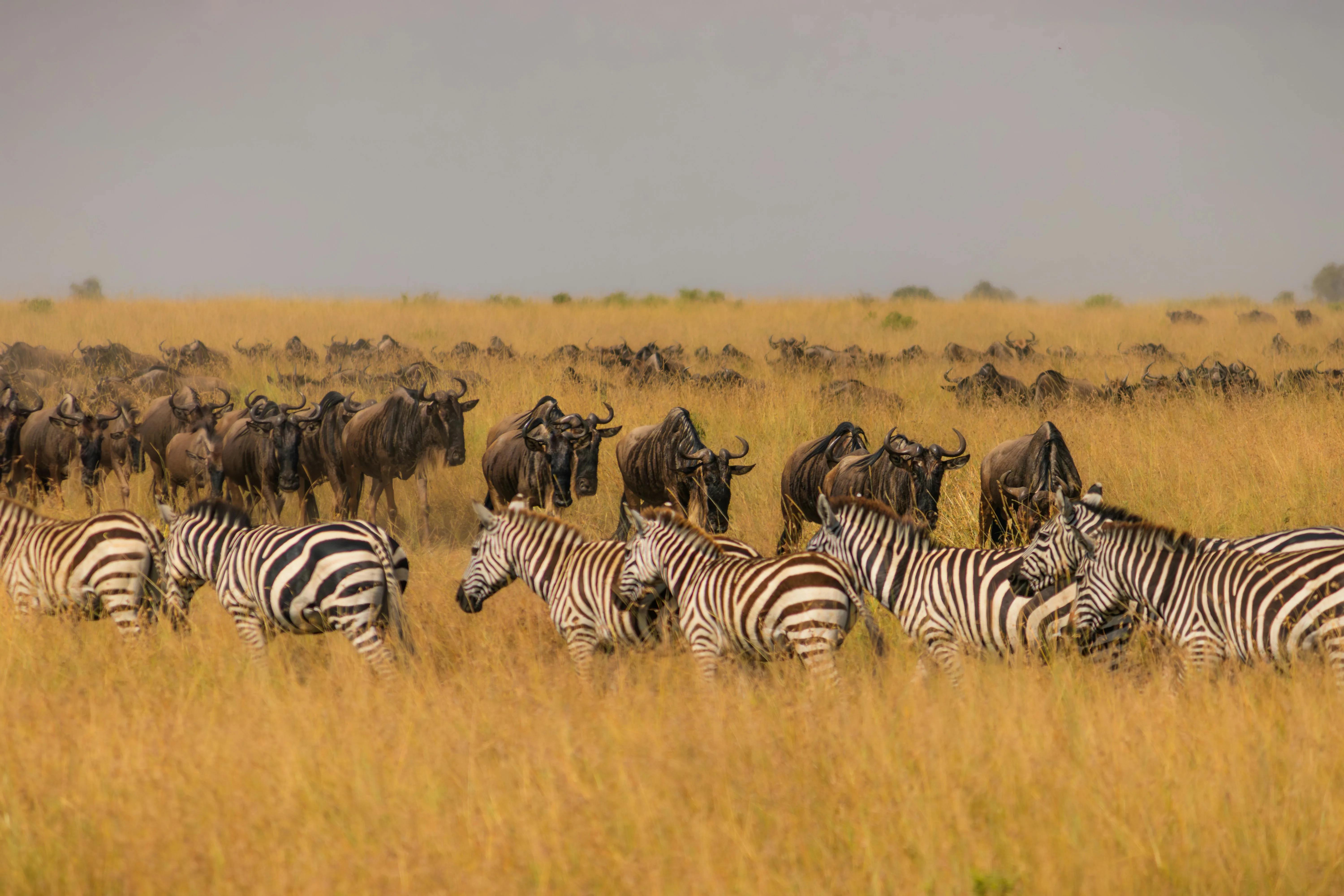
It is also part of the wider Serengeti–Mara ecosystem, where huge herds of wildebeest and zebras move seasonally in search of grazing.
The migration is usually associated with July to October in the Kenyan Mara, although the exact timing varies with rainfall and grazing conditions. River crossings are never guaranteed.
Best for: First-time safari travellers, big-cat photography and seasonal migration experiences.
2. Amboseli National Park – Best for Elephants and Kilimanjaro Views
Amboseli National Park is famous for its large elephant herds and beautiful views of Mount Kilimanjaro across the border in Tanzania.
Its open grasslands and swamps provide habitats for elephants, buffaloes, zebras, antelopes and many bird species.
Observation Hill is a well-known viewpoint overlooking the park's wetlands and plains.
Best for: Elephant photography, birdwatching and scenic safari experiences.
3. Lake Nakuru National Park – Best for Rhinos and Birdwatching
Situated in Kenya's Great Rift Valley, Lake Nakuru National Park is known for its rhino conservation work.
The park supports both black and white rhinos, along with buffaloes, giraffes, lions and many bird species.
Flamingos may appear along the lakeshore, but their numbers vary with water conditions and food availability.
Best for: Rhino viewing, birdwatching and combining multiple destinations on a road safari.
4. Samburu National Reserve – Best for Unique Northern Wildlife
Samburu National Reserve offers a different safari environment from the southern grasslands.
Its dry landscapes, riverine forests and Ewaso Ng'iro River support wildlife adapted to northern Kenya.
Visitors may encounter Grevy's zebras, reticulated giraffes, gerenuks, Somali ostriches and beisa oryx.
Best for: Travellers who want distinctive wildlife, scenic landscapes and a quieter alternative to the busiest safari circuits.
Best Time to Visit Kenya for Safari
The Best time to visit Kenya for safari depends on the animals you want to see, your budget and your preferred weather.
Kenya has two broad dry periods and two main rainy periods, although rainfall patterns differ by region and year.
|
Season |
Typical conditions |
Safari experience |
|---|---|---|
|
January–February |
Often relatively dry |
Excellent general wildlife viewing |
|
March–May |
Long-rains period |
Green landscapes, fewer visitors and possible muddy roads |
|
June–October |
Generally drier, particularly July–October |
Strong wildlife viewing; migration season in the Mara |
|
November–December |
Short rains in many regions |
Green scenery, birdwatching and fewer crowds at some destinations |
When Is the Great Wildebeest Migration?
The Great Migration is a continuous movement of wildlife across the Serengeti–Mara ecosystem.
Large herds commonly reach the Kenyan Masai Mara during approximately July–October. However, the timing and location of crossings change each year.
If seeing the migration is your priority, allow several nights in the Mara instead of planning your entire trip around one game drive.
Is the Rainy Season Worth Visiting?
Yes. Rainy-season safaris can be rewarding for travellers interested in green scenery, bird photography and a quieter atmosphere.
However, heavy rain may affect road conditions and some activities. Discuss accessibility with your safari operator before booking.
How Much Does a Kenya Safari Cost?
The Kenya safari cost depends on your trip length, travel season, accommodation, transport, park fees and whether you choose a private or shared safari.
A simple lodge-based road safari can cost significantly less than a luxury fly-in itinerary.
What Affects Your Safari Budget?
|
Cost factor |
Budget-conscious option |
Higher-cost option |
|---|---|---|
|
Accommodation |
Simple camps and lodges |
Premium safari camps and lodges |
|
Transport |
Shared road safari |
Private 4×4 or internal flights |
|
Travel season |
Selected low-season dates |
Peak migration season |
|
Itinerary |
Fewer destinations |
Multiple parks and conservancies |
|
Experiences |
Standard guided game drives |
Additional permitted activities |
Park entry fees can form a substantial part of the total cost.
For example, Kenya Wildlife Service lists a non-resident adult entry fee of USD 90 for Amboseli National Park, while the Masai Mara's 2026 non-resident adult fees are USD 100 per day from January to June and USD 200 per day from July to December. Different authorities manage these destinations, and rates can change.
Always confirm current fees before making a payment.
When comparing Kenya safari packages, ask whether the quoted price includes accommodation, meals, park entry, guide services, safari vehicle, airport transfers and taxes.
Also check exclusions such as international flights, gratuities, drinks and optional activities.
How Many Days Do You Need for a Kenya Wildlife Safari?
For most beginners, five to eight days provides a good balance between wildlife viewing and travel time.
A shorter trip can focus on one major reserve. A longer itinerary allows you to explore different ecosystems without rushing.
Suggested 7-Day Kenya Safari Itinerary
|
Day |
Destination |
Suggested experience |
|---|---|---|
|
1 |
Nairobi |
Arrival, rest and safari briefing |
|
2 |
Amboseli |
Transfer and afternoon game drive |
|
3 |
Amboseli |
Morning and afternoon wildlife viewing |
|
4 |
Lake Nakuru |
Travel through the Rift Valley region |
|
5 |
Masai Mara |
Transfer and game drive if time permits |
|
6 |
Masai Mara |
Full-day or two shorter game drives |
|
7 |
Nairobi |
Return journey and onward travel |
This is an illustrative route, not a confirmed tour departure. Road transfers can be long, particularly between Amboseli and Lake Nakuru.
For a more relaxed safari, consider eight or nine days, or choose fewer destinations.
How Do You Reach Kenya's Safari Destinations?
Most international safari journeys begin in Nairobi through Jomo Kenyatta International Airport.
Travellers can then continue by road or use domestic safari flights, often departing from Nairobi's Wilson Airport.
Important Safari Routes and Entry Gates
-
Masai Mara: Many road itineraries travel from Nairobi through Narok. Sekenani, Talek and other reserve gates serve different areas; your camp location determines the best entry route.
-
Amboseli: Kenya Wildlife Service identifies Iremito, Kimana and Meshanani gates as access points.
-
Lake Nakuru: Visitors can enter through Main Gate, Lanet Gate or Nderit Gate.
-
Tsavo West: Mtito Andei is a major entry point, with other access routes depending on where you are travelling from.
Your guide or operator should confirm the correct gate, transfer plan and permitted entry hours before departure.
Where Should You Stay During Your Kenya Safari?
Kenya offers a wide variety of accommodation, from practical safari camps to high-end wilderness lodges.
Safari Lodges
Lodges typically offer permanent accommodation buildings and are suitable for travellers who prefer conventional rooms.
Tented Safari Camps
Tented camps provide a close-to-nature atmosphere. Depending on the property, accommodation may range from simple tents to spacious tents with private bathrooms and other comforts.
Camps Inside or Outside Wildlife Reserves
Accommodation location affects your travel time and, in some destinations, your access to activities.
Staying outside a reserve can require additional driving and entry arrangements. Camps in private conservancies may operate under different activity rules from national parks or reserves.
Before booking, confirm the exact property, meal plan, room facilities, transfer arrangements and distance from the wildlife-viewing area.
What Should You Pack for Your First Kenya Safari?
Packing light and choosing practical clothing makes game drives more comfortable.
Bring:
-
Neutral-coloured, breathable clothing and comfortable shoes.
-
A warm jacket or fleece for chilly mornings.
-
Sunscreen, sunglasses and a wide-brimmed hat.
-
Binoculars and a camera with spare batteries.
-
Insect repellent and personal medication.
-
Reusable drinking-water bottle.
-
Passport, travel documents and travel insurance details.
A small daypack is helpful for carrying essentials during game drives.
Avoid bringing unnecessary valuables and follow luggage limits if your itinerary includes light-aircraft flights.
How to Book Your First Kenya Safari
Booking the right safari involves more than choosing attractive wildlife photographs.
Follow these steps:
-
Choose your travel dates. Decide whether general wildlife viewing, the migration, photography or quieter travel matters most.
-
Select your destinations. Choose parks that suit your interests and available days.
-
Compare itineraries. Review actual driving times, game-drive schedules and accommodation locations.
-
Request a detailed quotation. Check park fees, meals, transfers, vehicle type, guide services and exclusions.
-
Confirm travel documents. Review current Kenyan immigration, health insurance and vaccination requirements for your nationality and travel route.
-
Review payment terms. Obtain written confirmation of cancellation rules, deposit requirements and the services included.
How Can You Enjoy a Safe and Responsible Kenya Safari?
Wildlife tourism should protect animals and respect local communities.
Kenya Wildlife Service advises visitors to stay on designated roads, remain inside vehicles except in permitted areas and keep a safe distance from wildlife.
Never feed animals, encourage a guide to chase wildlife or approach predators too closely for a photograph.
Choose experiences that respect community consent, cultural traditions and wildlife conservation. Avoid activities that promote unsafe animal handling.
Finally, remember that wild animals are unpredictable. Patience and responsible viewing are part of a memorable safari.
Plan Your First Kenya Wildlife Safari
You can book Kenya safari , it offers an opportunity to explore some of Africa's most remarkable ecosystems, from the grasslands of the Masai Mara to the elephant habitats of Amboseli.
A successful first safari starts with realistic expectations, enough time in each destination and a well-planned itinerary.
Whether you prefer a shorter wildlife holiday or a longer journey through Kenya's national parks, choose a safari that matches your interests, comfort level and budget.
Ready to explore Kenya? Compare safari routes, decide on your preferred travel dates and request a personalised itinerary with a clear breakdown of inclusions and costs.
Frequently asked questions
Is Kenya a good destination for a first-time safari?
Yes. Kenya is an excellent destination for first-time safari travellers because it offers diverse wildlife, established safari routes and accommodation for different budgets. The Masai Mara, Amboseli and Lake Nakuru are particularly popular choices.
How much does a Kenya wildlife safari cost per person?
The cost varies depending on accommodation, travel dates, itinerary length, vehicle type and park fees. Request an itemised quotation that separates accommodation, transport, park entry charges and optional activities before booking.
What is the best month for a Kenya safari?
January and February are often good for general wildlife viewing, while July to October is popular for the Great Migration in the Masai Mara. Wildlife can be seen throughout the year, but rainfall and animal movements vary.
Can you see the Big Five on a Kenya safari?
Yes. Kenya is home to all five: lion, leopard, elephant, buffalo and rhinoceros. However, seeing every species on a single trip is not guaranteed. Combining the Masai Mara with a rhino conservation destination such as Lake Nakuru can improve your chances.
How far in advance should I book a Kenya safari?
For the popular July–October season, booking around six to nine months ahead is a useful planning target, especially for travellers seeking specific lodges or camps. Other periods may offer greater flexibility, subject to availability.
Let’s turn inspiration
into your next adventure.
Tell us what you love. We’ll help shape a safari around your pace.
Start Planning